Trip Difficulties
Four Season Guides
Difficulty Levels For Hiking & Backpacking
Difficulty Levels Explained
Trip difficulty is not an exact science. Your experience on any hiking or backpacking trip will depend on your previous hiking experience, overall fitness, comfort on uneven terrain, ability to manage heat or cold, and willingness to spend long days outside. Our difficulty ratings are based primarily on daily hiking mileage, elevation gain and loss, trail conditions, terrain, exposure, expected pack weight, and the number of consecutive days spent hiking.
Weather conditions, including heat, rain, snow, wind, ice, and cold temperatures, can also make a trip feel more difficult. Because weather varies by season and from trip to trip, it is not always built directly into the difficulty rating. However, guests should understand that outdoor adventures can become more demanding when conditions are less than ideal.
Our goal with these ratings is not simply to label a trip as "easy" or "hard." The goal is to help you choose the right adventure, arrive properly prepared, and have an enjoyable experience. All of our tours are active outdoor pursuits that require at least some degree of physical fitness and the desire to spend most of your time hiking. Guests who arrive underprepared may have a less enjoyable experience and may also affect the pace, safety, and overall experience of the group.
The best way to prepare for a hiking trip is to hike regularly. For backpacking trips, we strongly recommend training with weight in your backpack so your legs, core, feet, and joints are prepared for the demands of carrying overnight gear. If you have any medical condition, injury history, or concern about your ability to participate, please consult your doctor and contact us before booking. We are happy to talk through the demands of a trip and help you determine whether it is the right fit.
How Our Rating System Works
Four Season Guides
We use a 1–10 difficulty rating, but the ratings are specific to each trip type. In other words, a Backpacking 5/10 is not the same as a Lodge-Based 5/10. Backpacking involves carrying overnight gear, sleeping outdoors, and managing backcountry conditions over multiple days, while lodge-based trips allow guests to recover indoors each evening.
For this reason, each trip should be understood by both its trip type and its difficulty rating:
- Day Hike 4/10 — Moderate
- Lodge-Based 5/10 — Moderate to Strenuous
- Basecamp 6/10 — Moderate to Strenuous
- Backpacking 8/10 — Strenuous
The number helps compare trips within the same category, while the description explains what that rating means for fitness, preparation, terrain, pack weight, and overall commitment.
Our general rating bands are:
- 1–2: Easy / Introductory
- 3–4: Moderate
- 5–6: Moderate to Strenuous
- 7–8: Strenuous
- 9–10: Very Strenuous / Advanced
Not every trip category will necessarily use every rating. Some ratings may be uncommon or reserved for custom trips, especially at the highest end of the scale.
Backpacking Trips
Four Season Guides
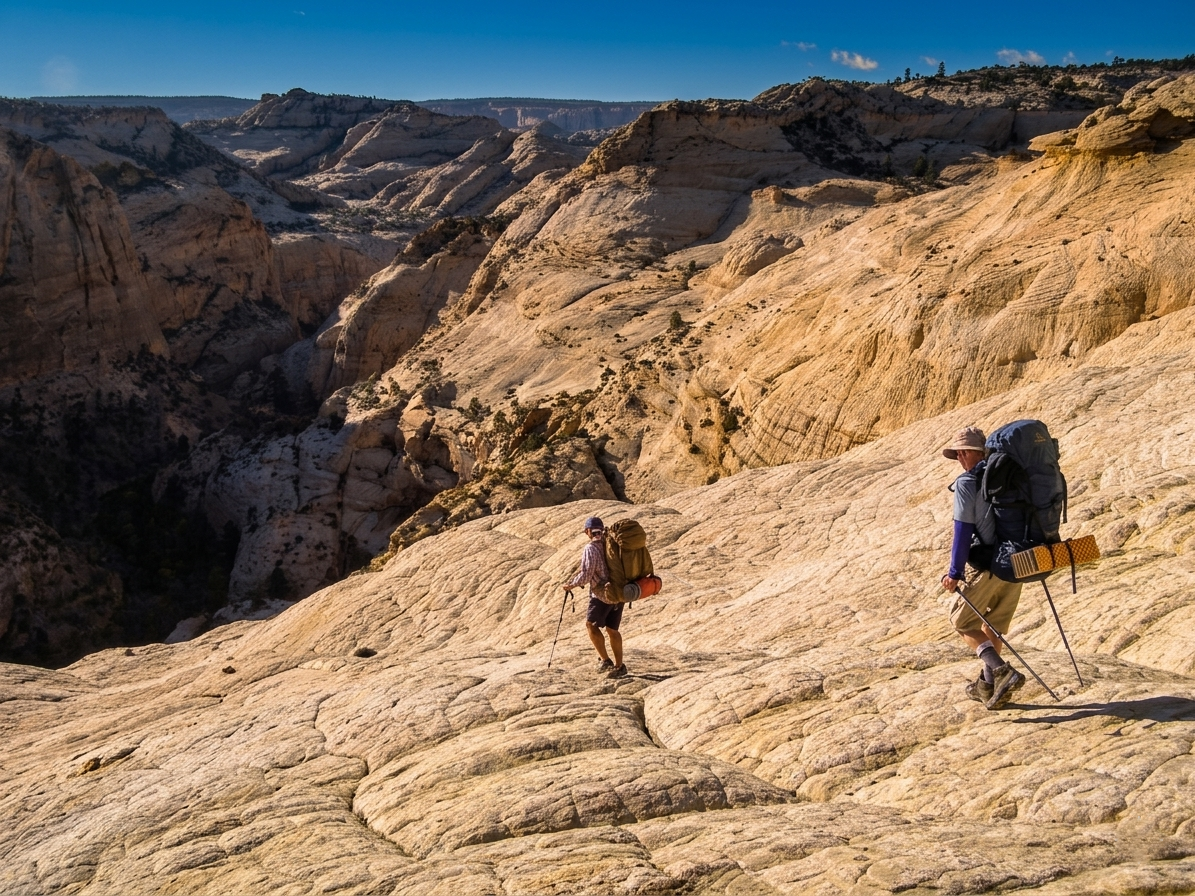
Backpacking trips are generally our most physically demanding adventures because guests carry overnight gear, food, water, clothing, and a share of group equipment while hiking for multiple consecutive days. Backpacking requires not only hiking fitness, but also the ability to manage a loaded pack, recover outdoors, sleep in a tent, and continue hiking while tired or uncomfortable.
Pack weight, terrain, heat, elevation change, exposure, trail condition, and the cumulative effect of multiple days all play a major role in backpacking difficulty. Guests should take these ratings seriously and train specifically for the demands of carrying weight.
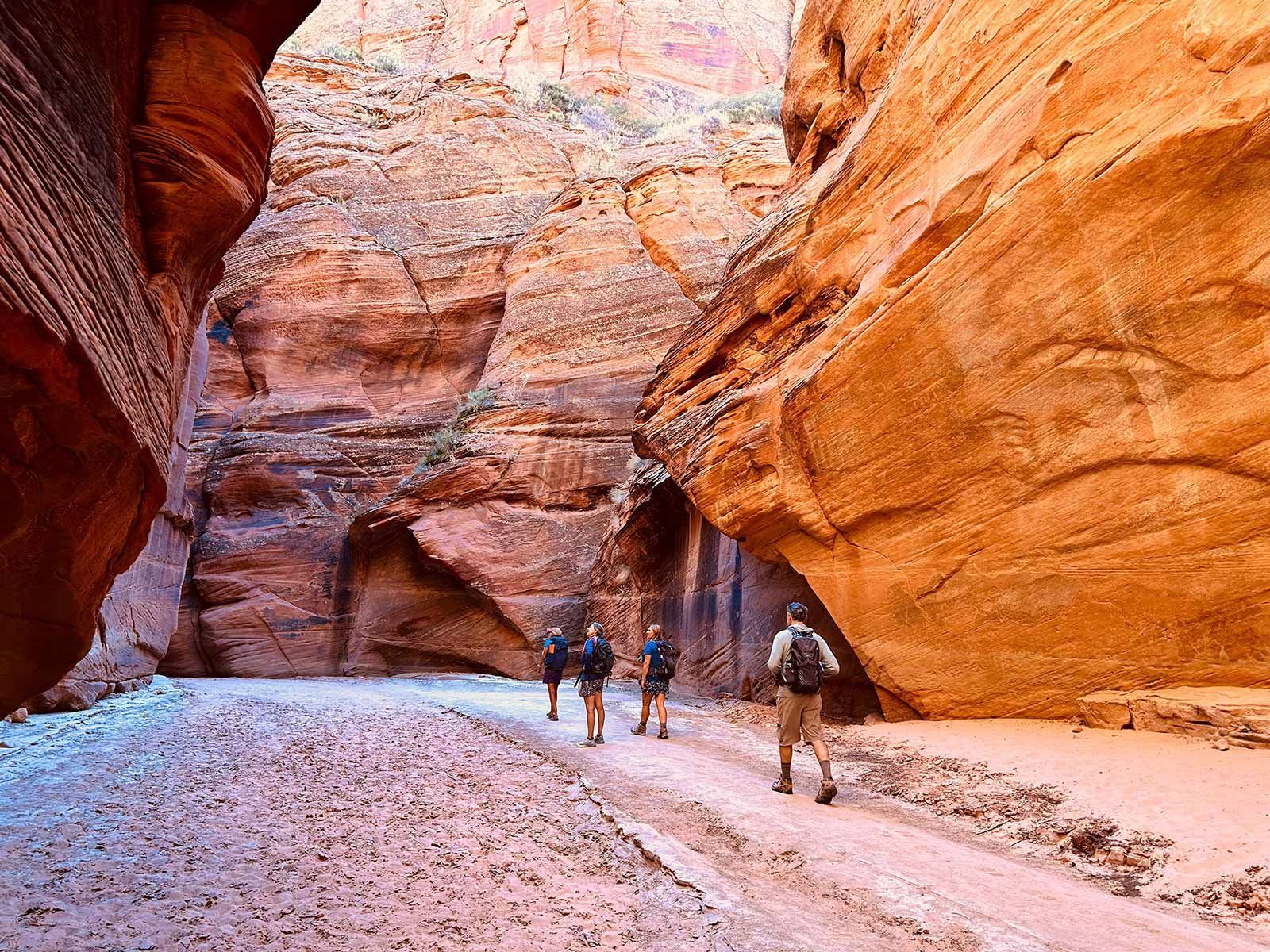
Backpacking 3-4: Moderate
Difficulty Levels Explained
Level 3-4 backpacking trips are appropriate for active guests who are new to backpacking or have limited backpacking experience, provided they are willing to train and arrive prepared. These trips are not “easy,” but they are designed to be more approachable than our higher-level backpacking itineraries.
Daily hiking mileage is generally
4 to 6 miles, usually on well-maintained or generally well-defined trails, with
3,000 feet or less elevation change
on most days. Expected pack weight is typically
about 30 pounds.
Participants should be in good health, regularly active, and exercise 2 to 3 days per week. Prior backpacking experience is helpful but not always necessary. Guests should be comfortable hiking for several hours, carrying a loaded pack, sleeping outdoors, and managing their personal comfort in a backcountry setting.
Best suited for: active first-time backpackers, guests with some hiking experience, and people who are prepared to train before the trip.
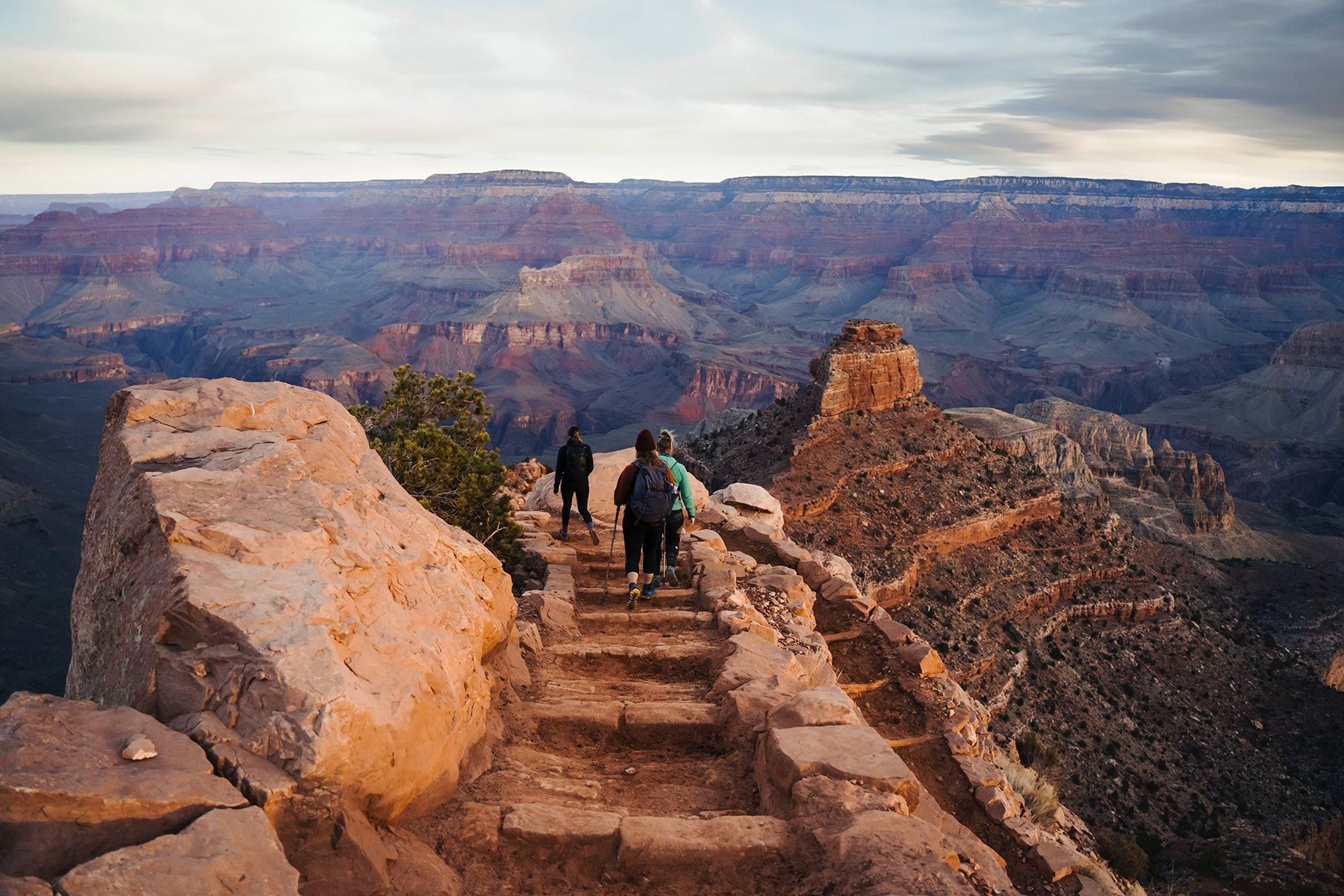
Backpacking 5–6: Moderate to Strenuous
Difficulty Levels Explained
Level 5-6 backpacking trips are more physically demanding and require stronger fitness, better hiking preparation, and greater comfort with sustained climbs and descents while carrying a loaded pack.
Daily hiking mileage is generally
5 to 8 miles, usually on maintained or generally well-maintained trails, with up to
4,800 feet of elevation change on the most demanding days. Expected pack weight is typically
30 to 35 pounds.
Participants should be in good health, regularly active, and exercise several times per week. These trips may include long descents, sustained climbs, warmer conditions, uneven footing, or one or two days that feel significantly more demanding than the overall itinerary. Guests should train with a loaded backpack before departure.
Prior backpacking experience is recommended but may not be required, depending on the itinerary. Strong day-hiking experience, especially on steep or uneven terrain, may be sufficient for some Level 3 trips.
Best suited for: fit hikers, guests with some backpacking experience, or strong day hikers who are prepared to train with weight.
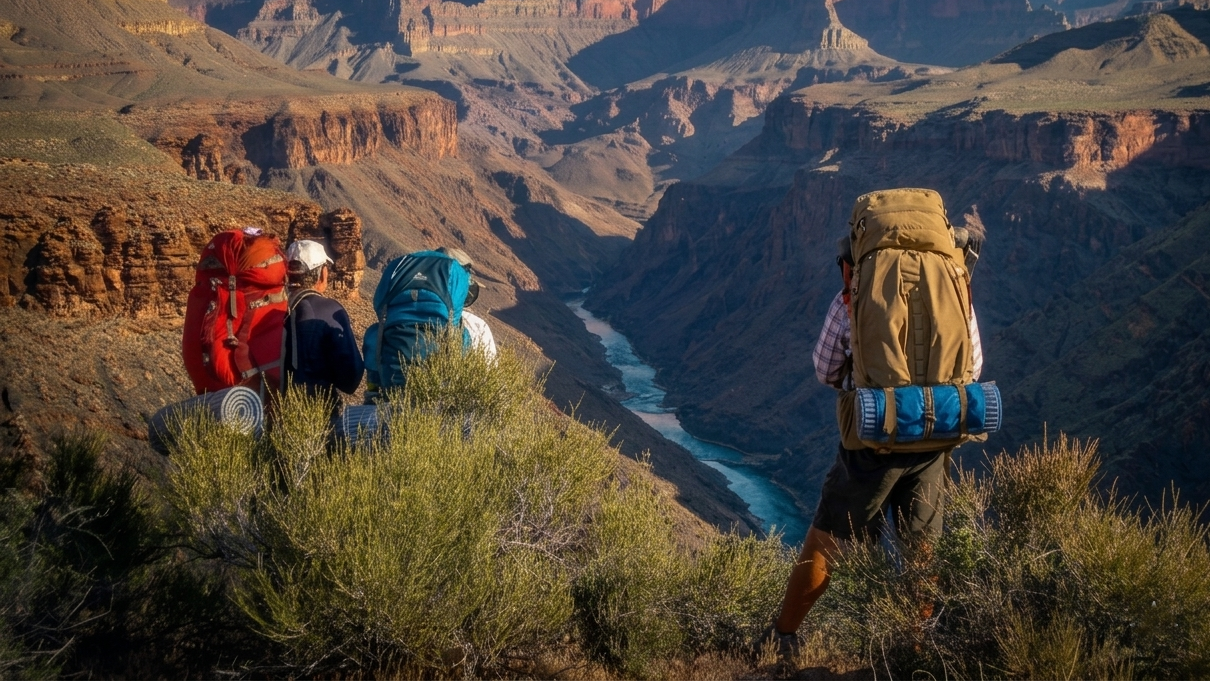
Backpacking 7–8: Strenuous
Difficulty Levels Explained
Level 7-8 backpacking trips are strenuous backcountry experiences designed for fit, experienced hikers who are comfortable with rugged terrain, heavier packs, and physically demanding days.
Daily hiking mileage is generally
7 to 10 miles, often on unmaintained or more rugged trails, with up to
4,800 feet of elevation change. Expected pack weight is typically
35 to 45 pounds.
Trails are often steep with loose footing, and there may be considerable exposure to heights. Guests should expect periods of rugged and physically demanding hiking, including long descents, sustained climbs, rough trail conditions, and the cumulative fatigue that comes with multiple days of effort.
Participants should be in excellent health, regularly active, and exercise 4 to 5 days per week. Prior backpacking experience is strongly recommended. Guests should train specifically with a loaded backpack and should be comfortable managing their own physical comfort and well-being in a backcountry setting.
Best suited for: experienced backpackers, strong hikers with excellent fitness, and guests who are prepared for demanding terrain and multi-day exertion.
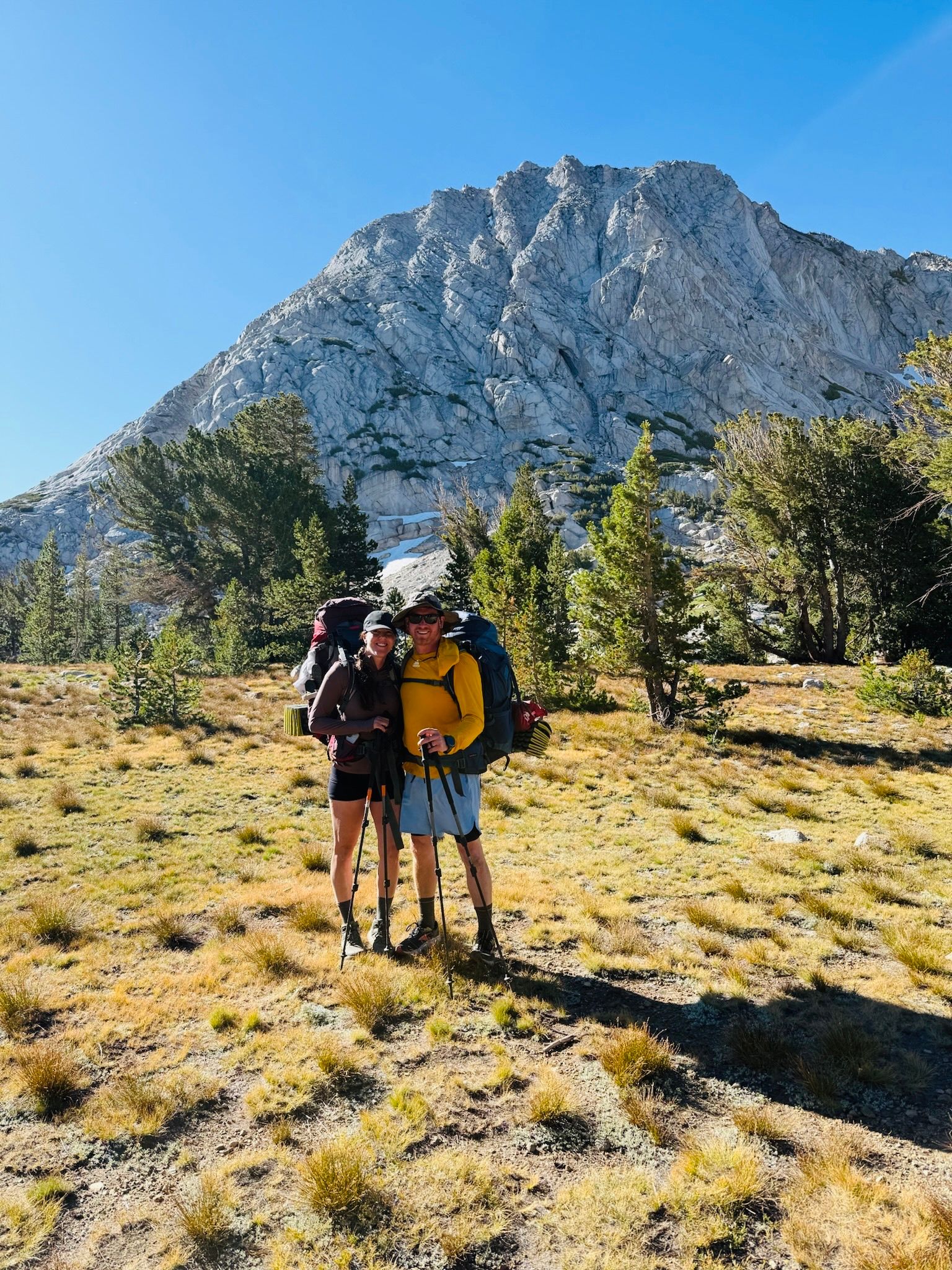
Backpacking 9–10: Very Strenuous / Advanced
Difficulty Levels Explained
Level 9-10 backpacking trips are our most demanding backpacking adventures. These trips require excellent fitness, previous relevant experience, and a high level of comfort with strenuous hiking while carrying a loaded backpack.
Daily hiking mileage is generally
6 to 10 miles on rugged or unmaintained trails, with up to
5,000 feet of elevation change. Expected pack weight is typically 40 to 45 pounds.
Trails are often steep with loose footing, and there may be considerable exposure to heights. Guests should expect long periods of rugged and physically demanding hiking, including major descents and climbs, challenging footing, remote settings, heat or other difficult weather conditions, and limited opportunities to shorten or avoid the most difficult portions of the itinerary.
Participants should be in excellent health, exercising vigorously 4 to 5 days per week, and comfortable with long, strenuous days on uneven terrain. Previous backpacking experience is strongly recommended and may be required for certain itineraries.
Best suited for: experienced backpackers with excellent fitness, strong mental resilience, and recent experience on strenuous multi-day trips.
Basecamp Hiking Tours
Difficulty Levels Explained
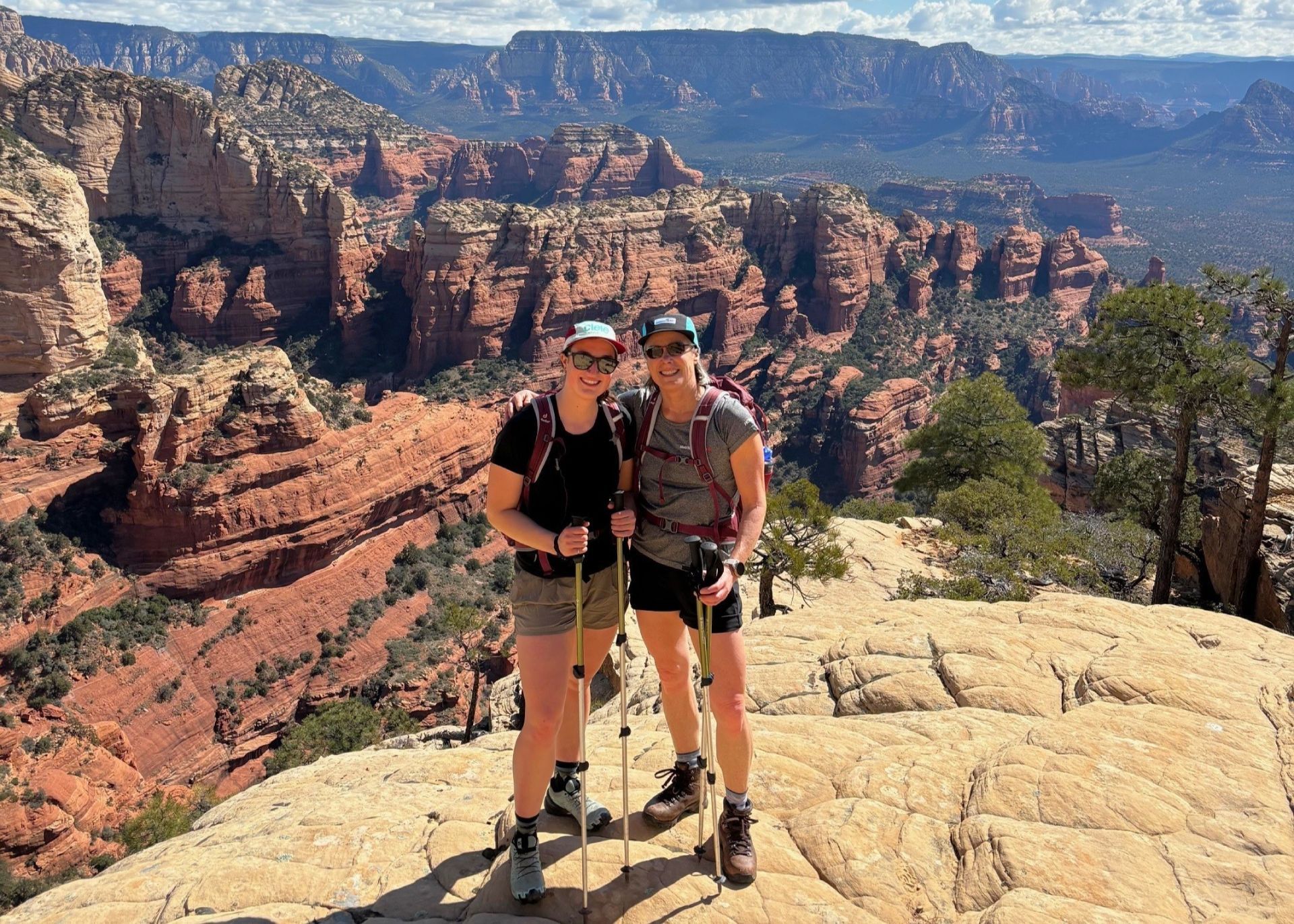
Basecamp trips combine day hiking with frontcountry or backcountry camping. Guests generally carry a day pack while hiking, but the overall experience includes sleeping outdoors, managing weather, participating in camp life, and recovering in a more rustic setting than a lodge-based trip.
Because guests remain exposed to the elements in the evenings and overnight, basecamp trips may feel more demanding than lodge-based trips with similar hiking mileage. Heat, cold, wind, rain, sleep, and general camp comfort can all affect how challenging the trip feels.
Basecamp 3–4: Moderate
Difficulty Levels Explained
Level 3-4 basecamp trips are appropriate for active guests who want a hiking-focused camping experience without carrying overnight gear on the trail. These trips are more approachable than our higher-level basecamp itineraries, but they are still active outdoor adventures that require preparation and a good base level of fitness.
Daily hiking mileage is generally 4 to 6 miles on well-maintained or generally well-defined trails with 2000 feet or less of elevation change on most days. Pack weight while hiking is less than 10 pounds.
Participants should be in good health, generally active, and exercise 2 to 3 days per week. Guests should be comfortable walking for several hours, spending multiple days outside, sleeping in a tent, and managing their personal comfort in a camp setting.
Prior camping experience is helpful but may not be necessary, depending on the itinerary. A positive attitude toward outdoor living, changing weather, and rustic conditions is important.
Best suited for: active first-time campers, casual hikers who are willing to prepare, and guests looking for a hiking-focused outdoor experience with moderate daily demands.
Basecamp 5–6: Moderate to Strenuous
Difficulty Levels Explained
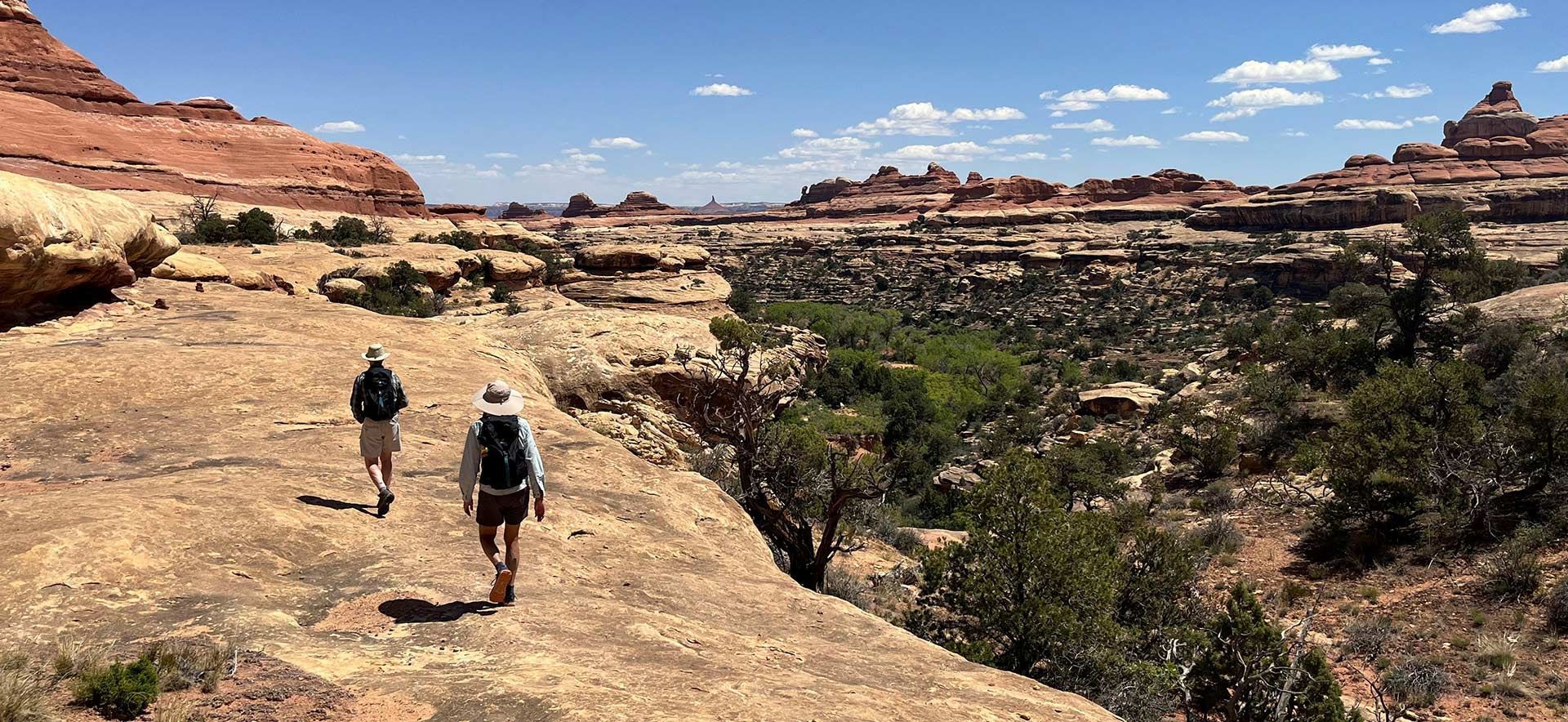
Level 5-6 basecamp trips are more physically demanding and require stronger hiking fitness, better preparation, and the ability to stay active over multiple consecutive days while camping each night.
Daily hiking mileage is generally 5 to 10 miles on maintained or generally well-maintained trails with up to 3,000 feet of elevation change. Pack weight while hiking is typically less than 10 pounds.
These trips may include longer hiking days, sustained climbs or descents, uneven footing, warmer or colder conditions, higher elevation, or one or two days that feel noticeably more demanding than the rest of the itinerary. Guests should be prepared for the cumulative effect of hiking during the day and recovering outdoors at night.
Participants should be in good health, regularly active, and exercise several times per week. Pre-trip preparation should include regular walking or hiking, ideally on uneven terrain and with some elevation gain/loss.
Guests should be comfortable sleeping outdoors, adapting to changing weather, and maintaining a steady pace with the group.
Best suited for: strong hikers, experienced campers, and guests who are prepared for demanding hiking days combined with the realities of outdoor living.
Basecamp 7–8: Strenuous
Difficulty Levels Explained
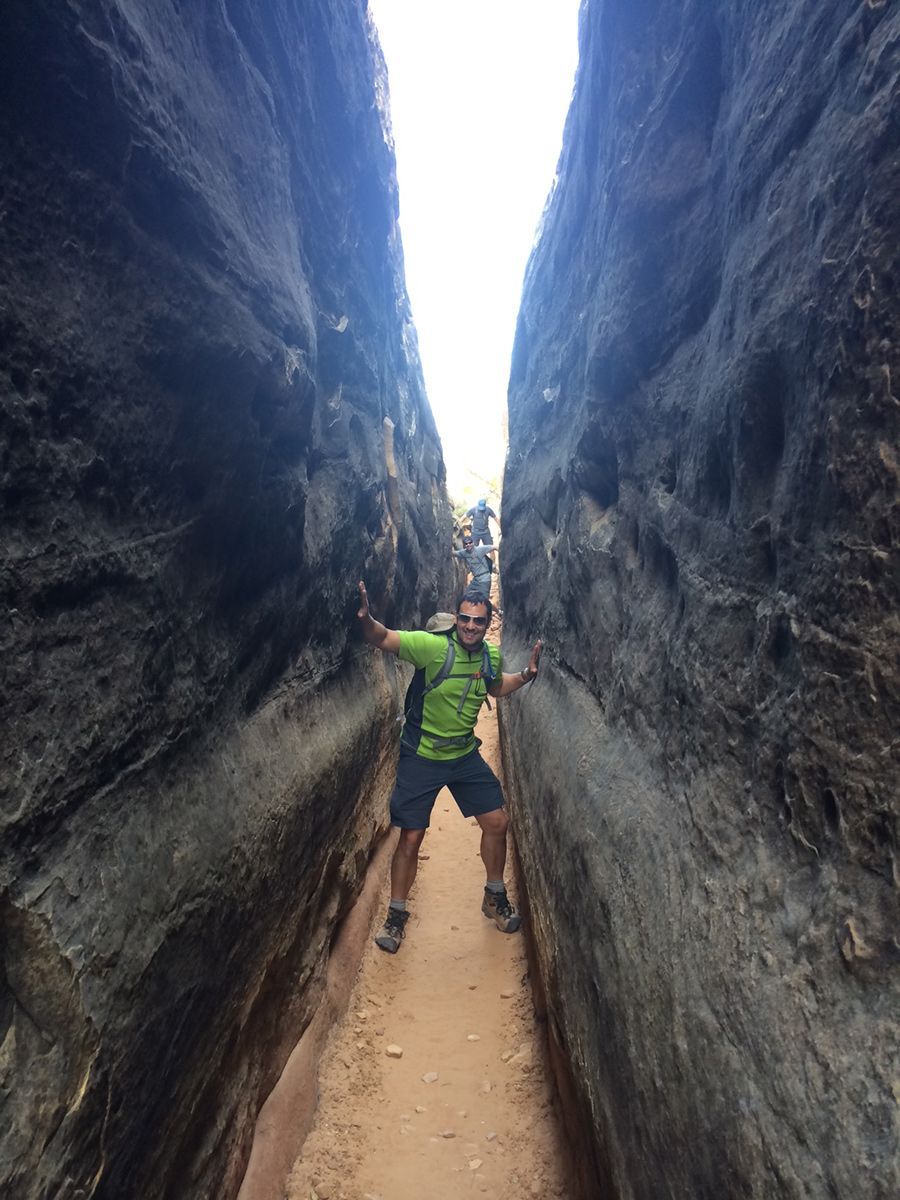
Level 7-8 basecamp trips are strenuous hiking adventures for fit guests who are prepared for long days, significant elevation gain/loss, rugged terrain, and the added demands of camping throughout the trip.
Daily hiking mileage is generally 8 to 12 miles on maintained or unmaintained trails with up to 4,800 feet of elevation change. Pack weight while hiking may be up to 20 pounds, depending on the trip.
Trails may be steep, rocky, loose, exposed, at higher elevation, or otherwise physically demanding. Guests should expect challenging hiking, sustained exertion, and the cumulative fatigue that can come from multiple active days followed by nights in camp.
Participants should be in excellent health, regularly active, and exercising vigorously 4 to 5 days per week. Guests should train specifically for the trip with regular hiking, including hills or uneven terrain whenever possible.
Prior hiking experience is strongly recommended. Prior camping experience is also strongly recommended, especially for trips in remote areas, challenging weather, or more rugged settings. Guests should be comfortable managing their own physical comfort and well-being while contributing positively to the pace, safety, and overall experience of the group.
Best suited for: strong hikers, experienced campers, and guests who are prepared for demanding hiking days combined with the realities of outdoor living.
Basecamp 9–10: Very Strenuous / Advanced
Difficulty Levels Explained
These ratings are reserved for our most demanding basecamp itineraries, if applicable. Trips in this range may include repeated long hiking days, major elevation gain/loss, rugged or remote terrain, high elevations, challenging weather, or limited options to shorten the day.
Guests should be very fit, have recent strenuous hiking experience, and be comfortable camping for multiple nights in potentially challenging conditions. Prior camping and hiking experience are strongly recommended and may be required depending on the itinerary.

Lodge-Based Hiking Tours
Four Season Guides
Lodge-based hiking tours are active, hiking-focused adventures where guests return each evening to the comfort of lodging. Unlike basecamp or backpacking trips, lodge-based tours provide the opportunity to shower, sleep in a bed, recover indoors, and step away from the elements at the end of each day.
That added comfort can make a meaningful difference. However, these are still active outdoor trips that require fitness, preparation, and the desire to spend much of each day hiking. Guests should expect multiple consecutive days on the trail, natural terrain, changing weather, and the physical effort that comes with sustained walking, climbing, and descending.
Lodge-Based 3–4: Moderate
Difficulty Levels Explained
Daily hiking mileage is generally 3 to 7 miles on maintained or generally well-maintained trails with up to 2,000 feet of elevation change. Pack weight is less than 10 pounds.
Guests should be in good health, regularly active, and exercise several times per week. These trips may include longer hiking days, sustained climbs or descents, uneven terrain, and multiple consecutive days of activity.
Prior hiking experience is helpful but not always necessary, depending on the itinerary. A willingness to prepare, maintain a steady pace, and participate fully in the hiking portions of the trip is important.
Best suited for: active travelers, newer hikers who are willing to prepare, and guests looking for a hiking-focused trip with moderate daily activity and comfortable lodging each evening.
Lodge-Based 5–6: Moderate to Strenuous
Difficulty Levels Explained
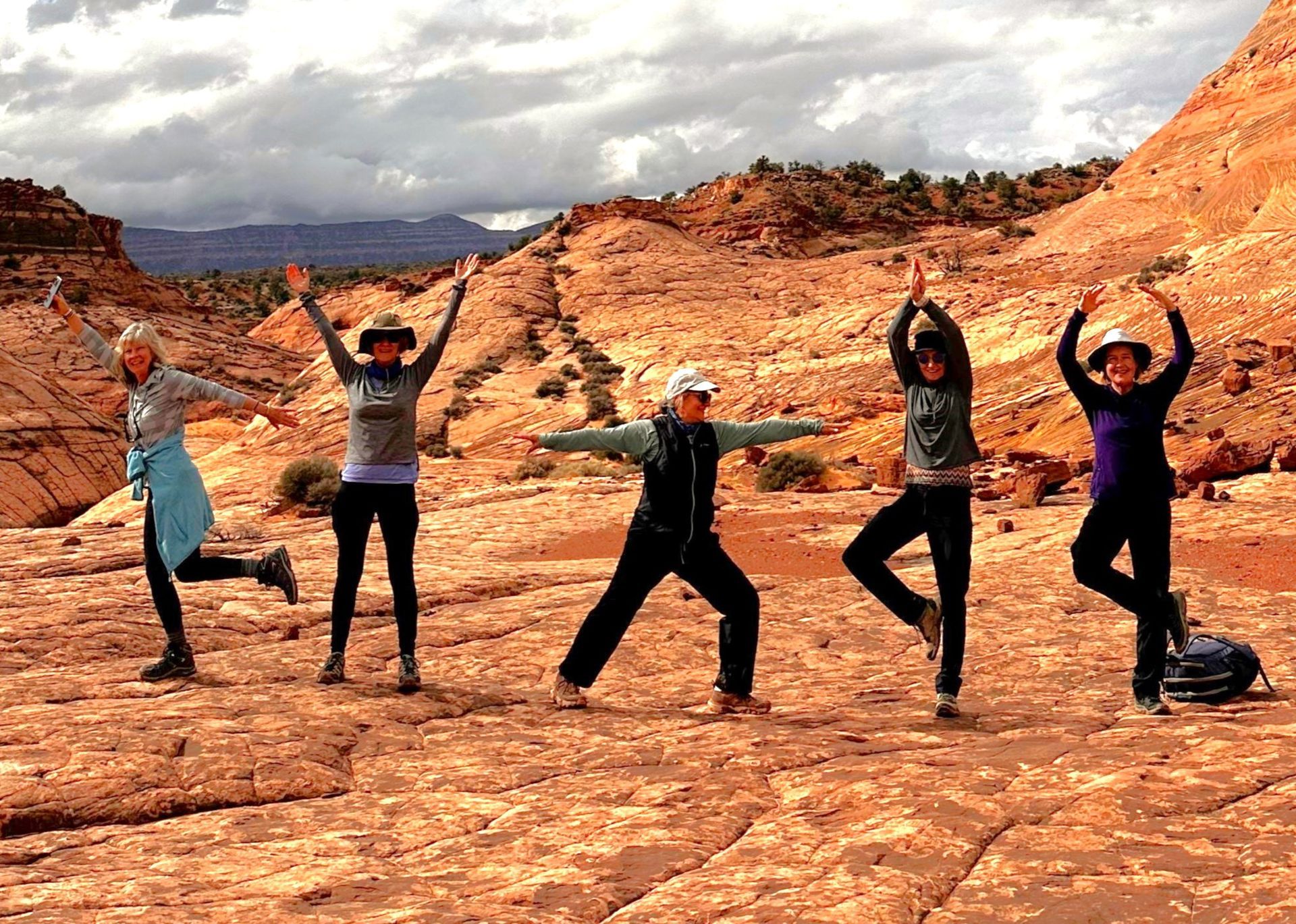
The majority of our lodge-based trips, Level 5-6 lodge-based trips are more physically demanding and require stronger hiking fitness, better preparation, and the ability to remain active over multiple consecutive days.
Daily hiking mileage is generally
5 to 10 miles on maintained or generally well-maintained trails with up to
3,000 feet of elevation change. Pack weight while hiking is typically up to 10 pounds.
These trips may include longer hiking days, sustained climbs or descents, uneven footing, higher elevation, warmer or colder conditions, or one or two days that feel noticeably more demanding than the rest of the itinerary. The ability to return to lodging each evening provides important recovery, but guests should still be prepared for full days of hiking and repeated daily effort.
Participants should be in good health, regularly active, and exercising several times per week. Pre-trip preparation should include regular walking or hiking, ideally on uneven terrain and with some elevation gain/loss.
Prior hiking experience is recommended, especially for itineraries with longer days, steeper trails, or higher elevation.
Best suited for: active hikers, guests with some recent hiking experience, and travelers who want a more substantial hiking trip while still enjoying the comfort and recovery of lodging each evening.
Lodge-Based 7–8: Strenuous
Difficulty Levels Explained
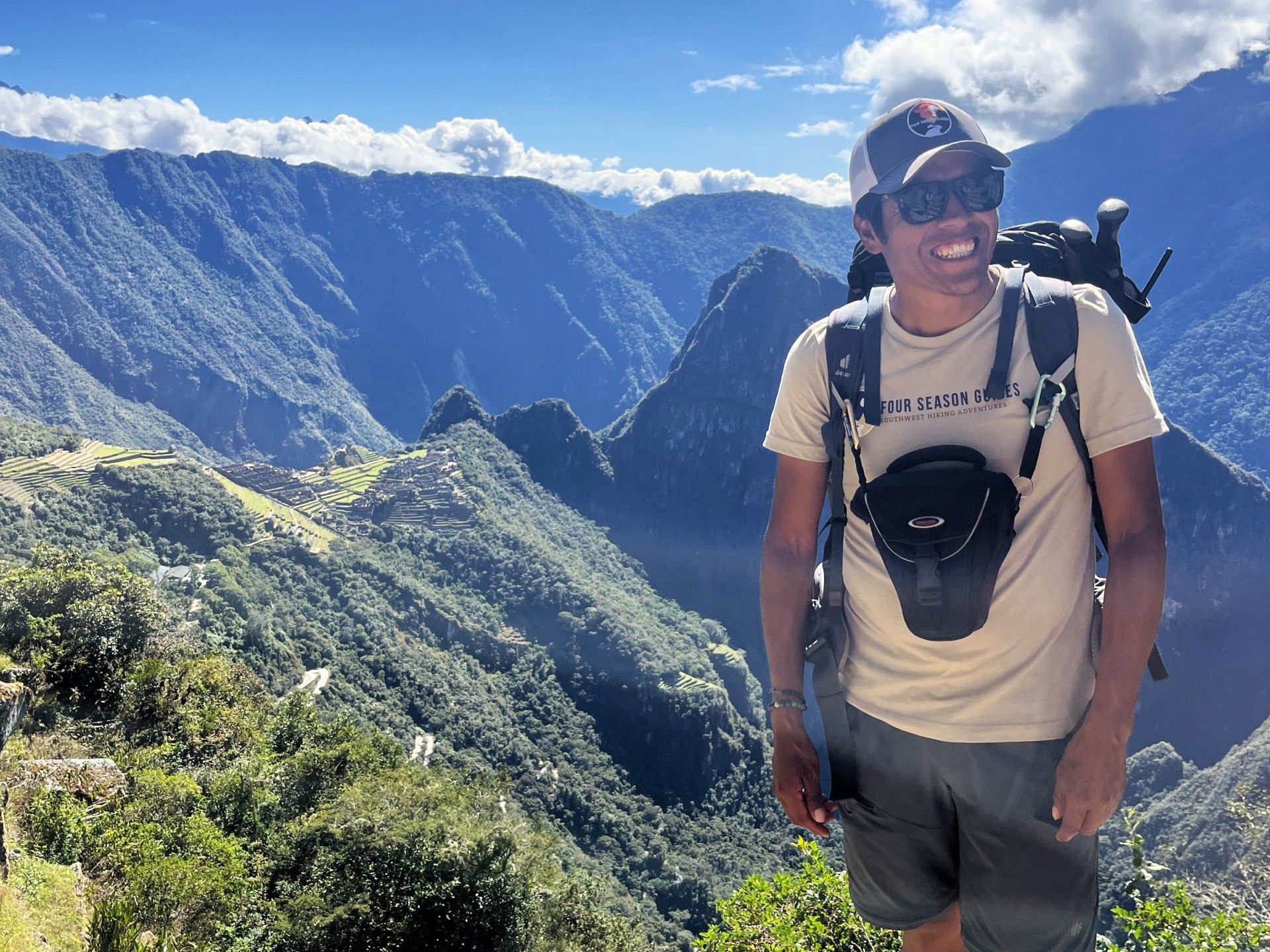
Level 7-8 lodge-based trips are strenuous hiking adventures for fit guests who are prepared for long days, significant elevation gain/loss, rugged terrain, and the cumulative effect of multiple active days.
Daily hiking mileage is generally 8 to 12 miles on maintained or unmaintained trails with up to 4,800 feet of elevation change. Pack weight while hiking may be up to 25 pounds, depending on the trip.
Trails may be steep, rocky, loose, exposed, at higher elevation, or otherwise physically demanding. Guests should expect sustained exertion, challenging climbs and descents, and sections of trail that require good balance, stamina, and comfort on uneven terrain.
Participants should be in excellent health, regularly active, and exercising vigorously 4 to 5 days per week. Guests should train specifically for the trip with regular hiking, including hills, stairs, or uneven terrain whenever possible.
Prior hiking experience is strongly recommended. Guests should be comfortable with full days on the trail, able to maintain a steady pace with the group, and prepared to manage their own physical comfort and well-being throughout the trip.
Best suited for: strong hikers, active travelers with recent strenuous hiking experience, and guests who want a demanding hiking itinerary with the recovery benefits of lodging each evening.
Lodge-Based 9-10: Very Strenuous / Advanced
Difficulty Levels Explained
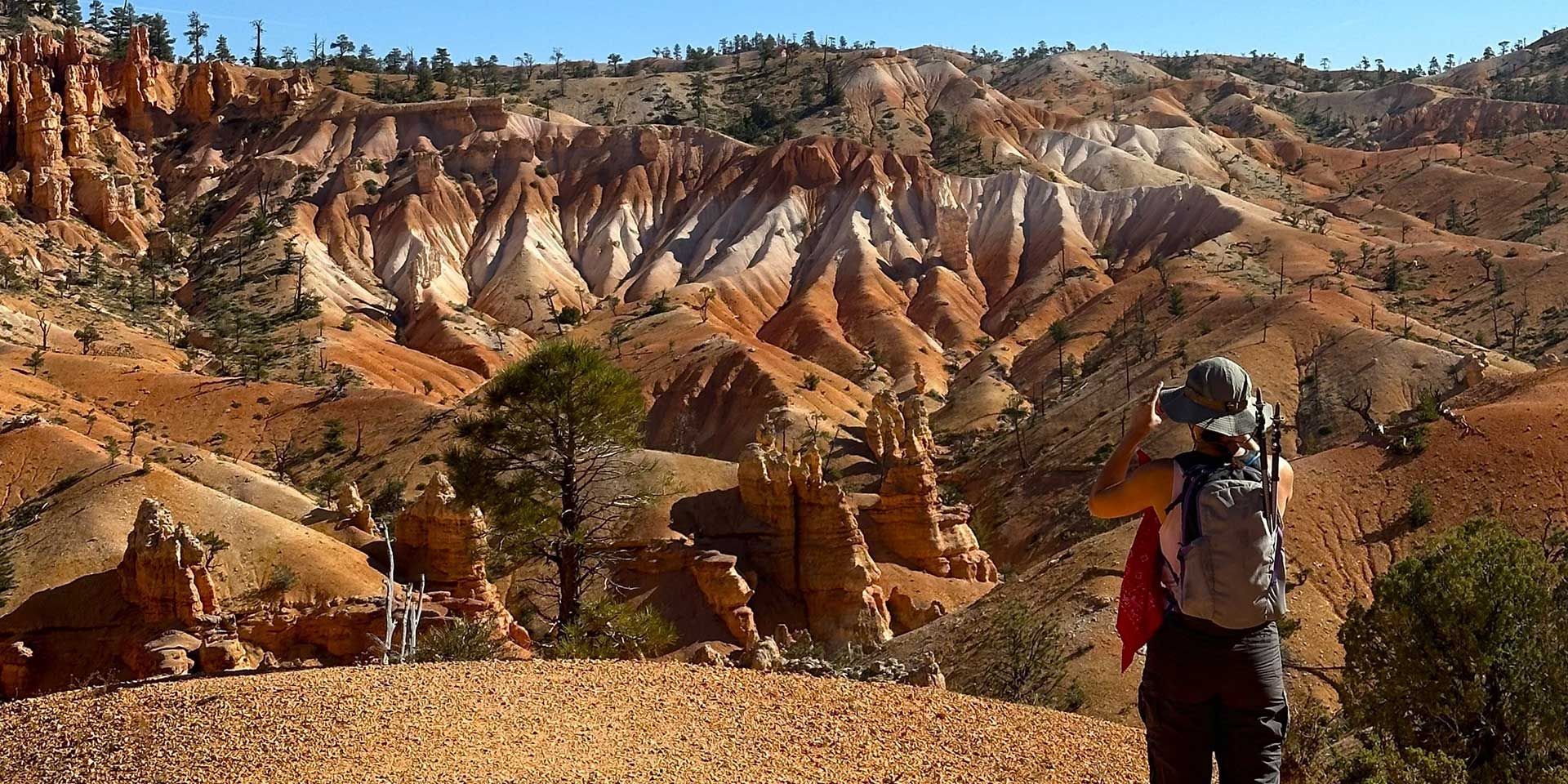
Level 9-10 lodge-based trips are the most physically challenging and are intended only for the fittest of hikers seeking a demanding experience. Trips in this range may include repeated long hiking days, major elevation gain/loss, rugged terrain, high elevation, heat, or limited options to shorten the day. These trips may offer the recovery benefits of lodging, but they still require a high level of hiking fitness and preparation.
Daily hiking mileage is generally 8 to 12 miles on maintained or unmaintained trails with over 5,000 feet of elevation change. Pack weight while hiking may be up to 25 pounds, depending on the trip.
Trails may be steep, rocky, loose, exposed, at higher elevation, or otherwise physically demanding. Guests should expect sustained exertion, challenging climbs and descents, and sections of trail that require good balance, stamina, and comfort on uneven terrain.
Participants should be in excellent health, regularly active, and exercising vigorously 4 to 5 days per week. Guests should train specifically for the trip with regular hiking, including hills, stairs, or uneven terrain whenever possible.
Prior hiking experience is required. Guests should be comfortable with full days on the trail, able to maintain a steady pace with the group, and prepared to manage their own physical comfort and well-being throughout the trip.
Best suited for: very strong hikers, active travelers with recent strenuous hiking experience, and guests who want a demanding hiking itinerary.
Day Hiking Tours
Four Season Guides
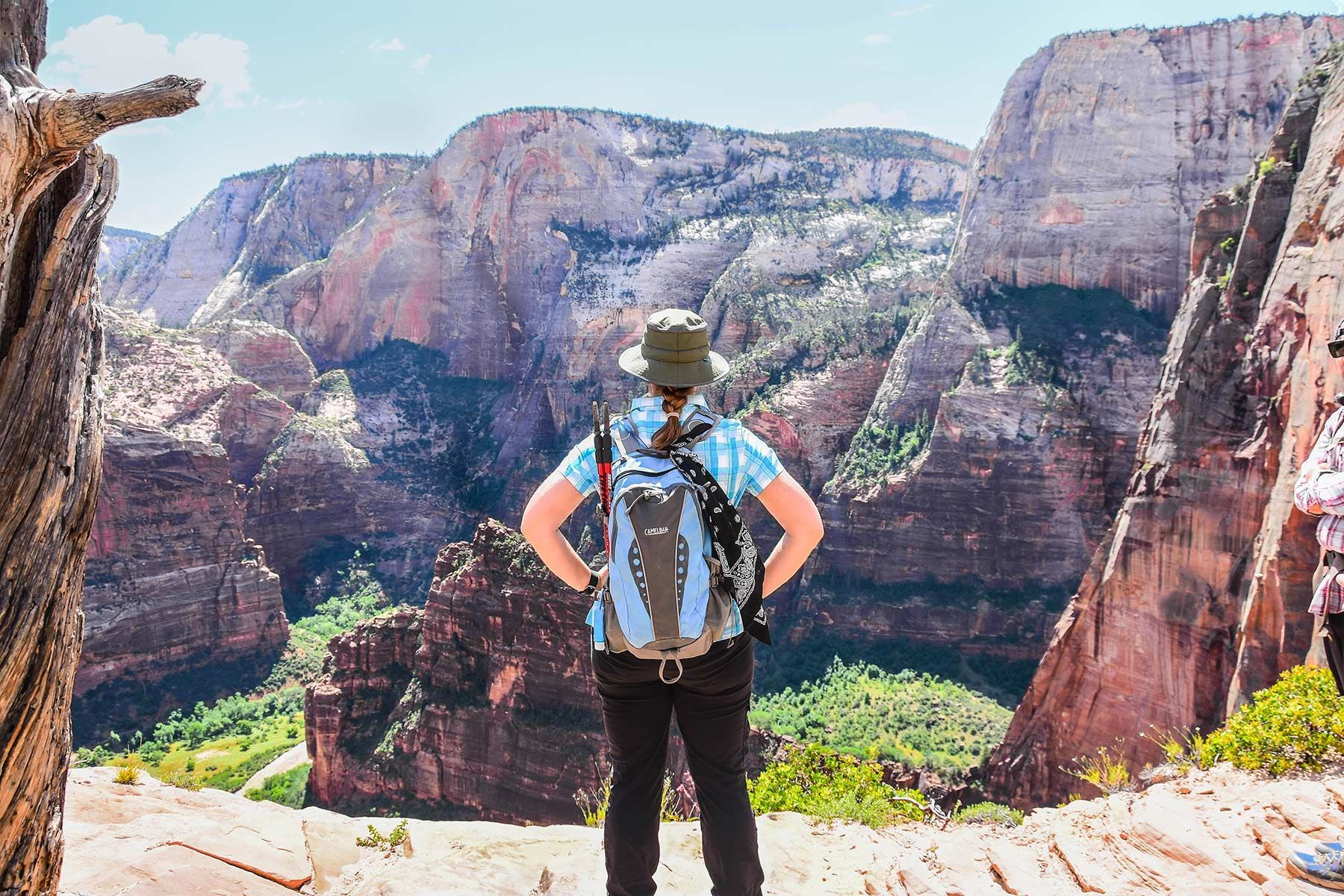
Day hiking tours are one-day hiking experiences where guests carry only a small day pack with water, extra layers, and any personal items. Because these trips do not involve overnight gear, camping, or multi-day backcountry travel, they are generally more approachable than our basecamp or backpacking trips.
That said, day hikes are still active outdoor pursuits. Difficulty can vary significantly depending on mileage, elevation gain/loss, trail conditions, footing, exposure, weather, heat, cold, and the pace required to complete the hike safely and comfortably.
Day Hike 1–2: Introductory
Difficulty Levels Explained
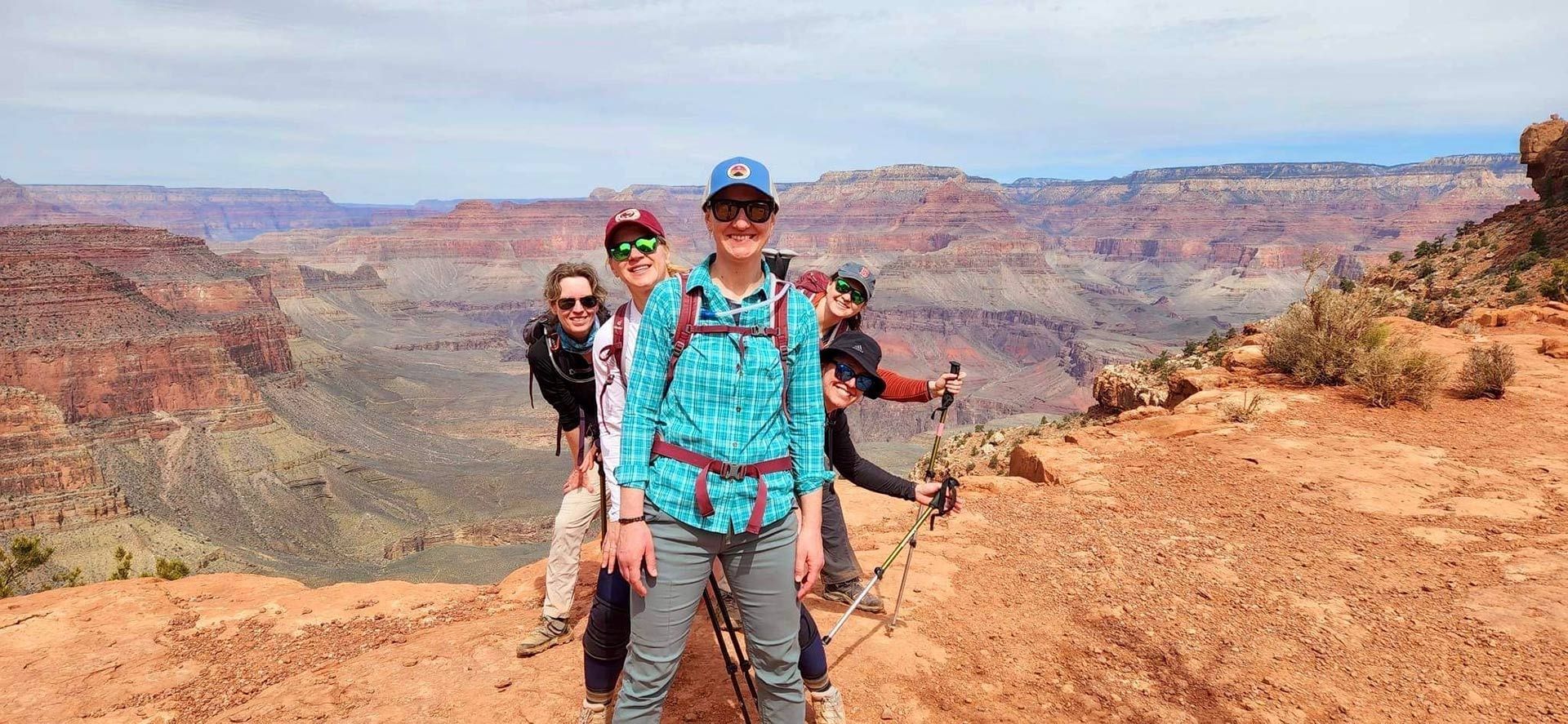
Introductory day hikes are our most approachable hiking experiences. These hikes are suitable for guests who are generally active and comfortable walking for several hours, but who may have limited hiking experience.
Hiking mileage is generally 3 to 7 miles on well-maintained trails with 750 feet or less of elevation change. Pack weight is typically 6 to 8 pounds.
Guests should be in good health and generally active. Trails are well-defined and moderate in nature, though guests should still expect natural surfaces, uneven footing, rocks, steps, sand, heat, cold, wind, or other normal outdoor conditions depending on the destination and season.
Best suited for: generally active travelers, newer hikers, families or private groups seeking an easier outing, and guests who want an active but approachable day outside.
Day Hike 3–4: Moderate
Difficulty Levels Explained
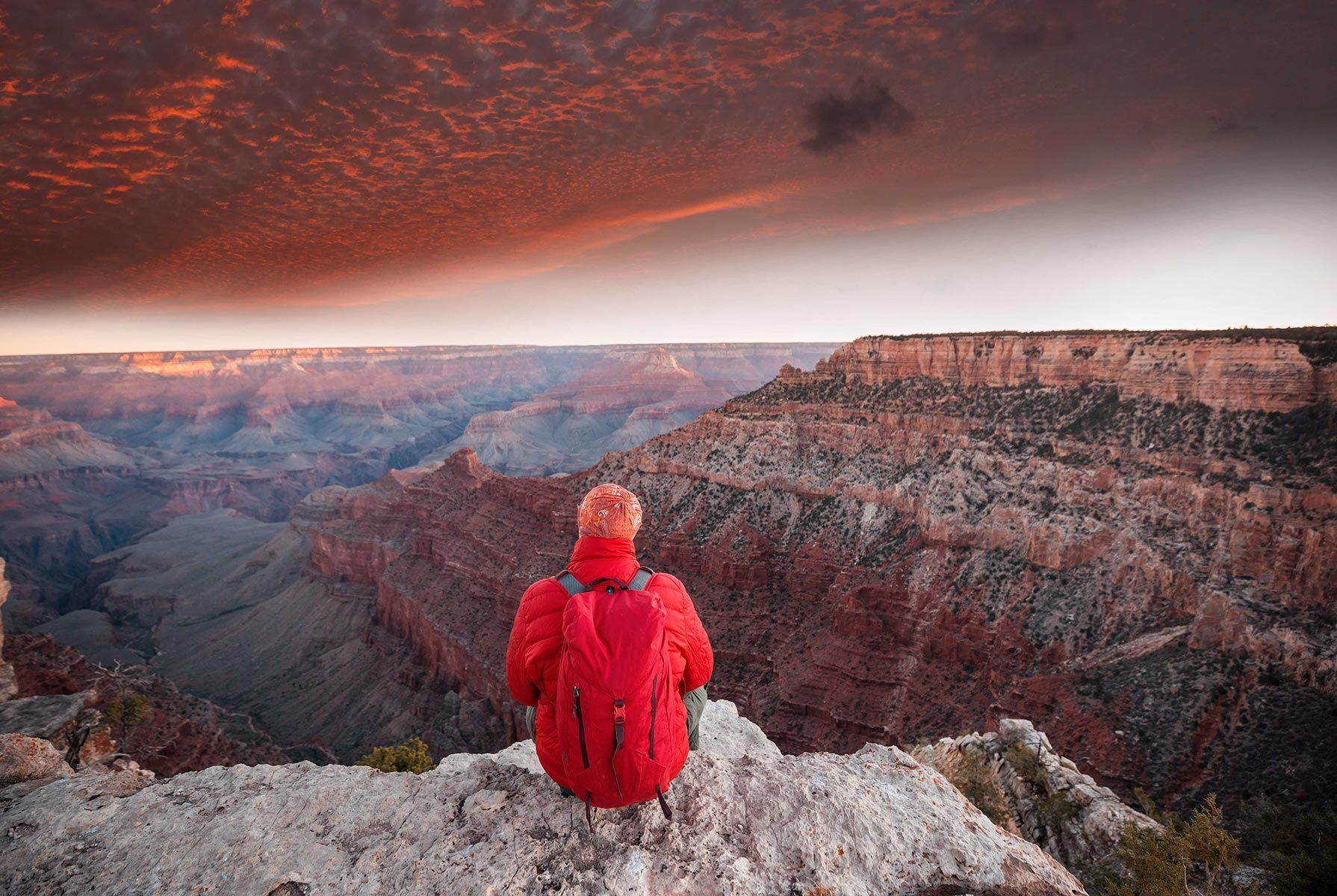
Moderate day hikes are more physically active and require better fitness, more stamina, and comfort hiking for several hours at a steady pace.
Hiking mileage is generally 3 to 6 miles on maintained or generally well-maintained trails with up to 1,500 feet of elevation change. Pack weight is typically 6 to 8 pounds.
These hikes may include longer uphill or downhill sections, uneven footing, stairs, rocky trails, sand, higher elevation, warmer or colder conditions, or short sections that feel more challenging than the overall hike. Guests should arrive prepared for a real hiking day, not a casual sightseeing walk.
Best suited for: active guests, recreational hikers, and travelers who exercise regularly and want a substantial but manageable day hike.
Day Hike 5–6: Moderate to Strenuous
Difficulty Levels Explained
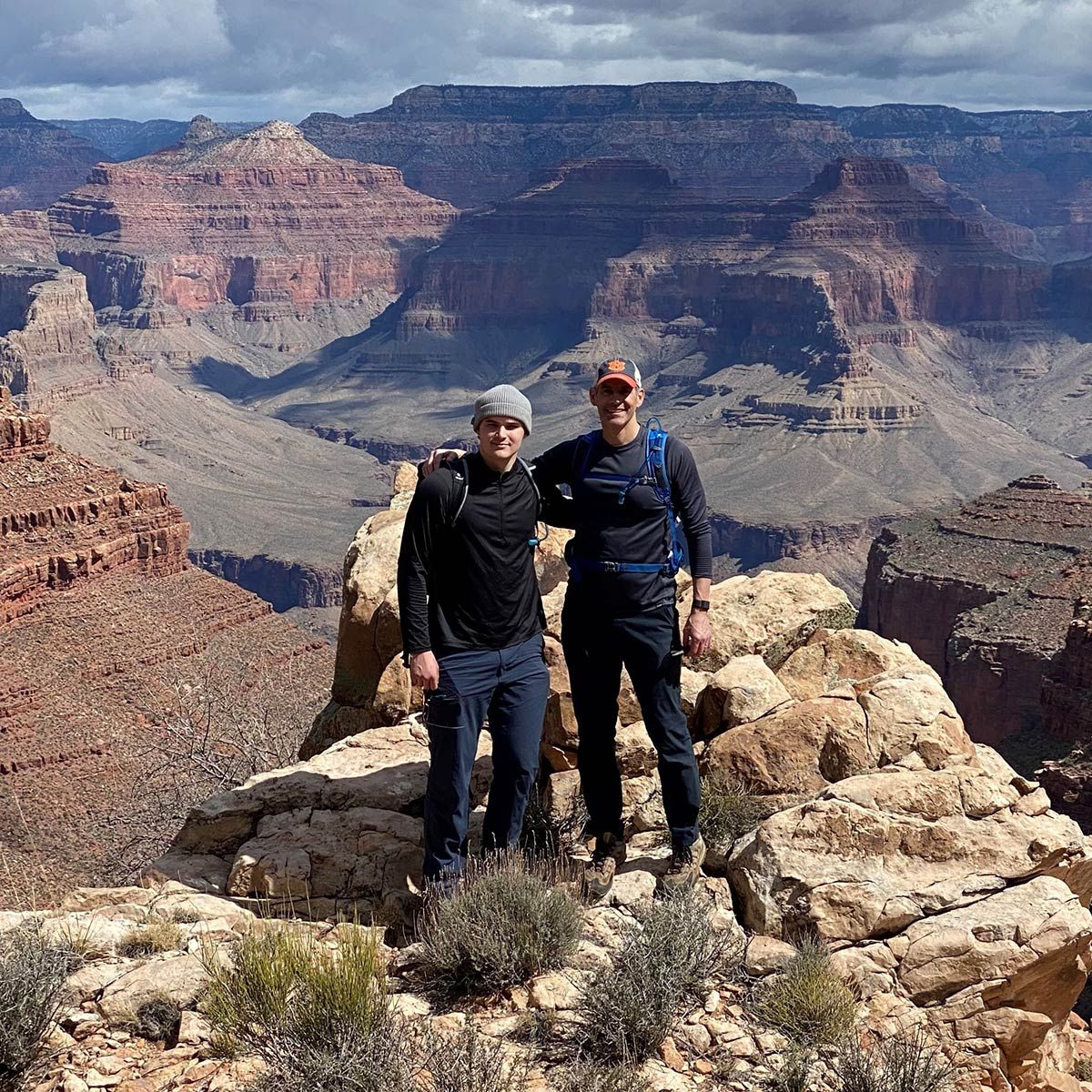
Moderate to strenuous day hikes are designed for fit guests who are comfortable with longer distances, greater elevation change, rougher terrain, or sustained physical effort.
Hiking mileage is generally 5 to 8 miles and may involve maintained or unmaintained trails with up to 3,000 feet of elevation change. Pack weight is typically 8 to 10 pounds.
Trails may be steep, rocky, loose, exposed, or otherwise physically demanding. Prior hiking experience is recommended, and guests should be comfortable maintaining a steady pace with the group.
Best suited for: strong hikers, active travelers with recent hiking experience, and guests looking for a challenging day on the trail.
Day Hike 7–8: Strenuous
Difficulty Levels Explained
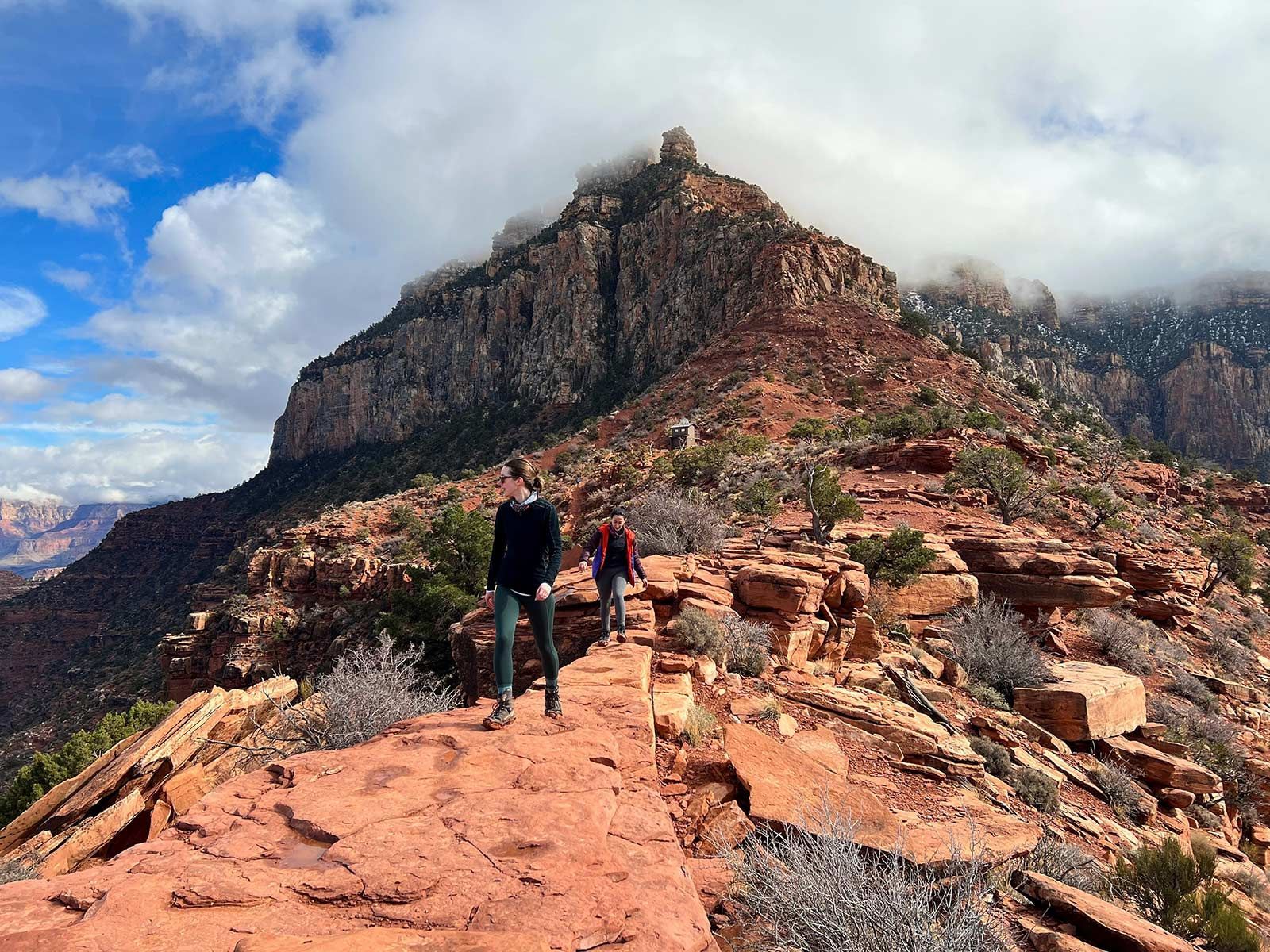
Strenuous day hikes are challenging outings for strong hikers with recent hiking experience. These hikes may involve longer mileage, major elevation gain/loss, rugged or unmaintained trails, exposure, heat, high elevation, or remote settings.
Guests should be in excellent health, regularly active, and comfortable with long, physically demanding days on uneven terrain. These hikes may require good balance, stamina, self-awareness, and the ability to manage fatigue throughout the day.
Best suited for: very fit hikers, groups seeking a demanding objective, and guests with recent experience on strenuous day hikes.
Day Hike 9–10: Very Strenuous / Advanced
Difficulty Levels Explained
These ratings are reserved for our most demanding day hiking experiences, offered only on a custom or private basis. These hikes may involve long mileage, major elevation gain/loss, rugged terrain, exposure, heat, high elevation, route complexity, or limited options to shorten the hike once underway.
Guests should be very fit, have recent strenuous hiking experience, and be comfortable with physically and mentally demanding days on the trail. These hikes are not appropriate for guests who are uncertain about their fitness, uncomfortable with exposure or rough terrain, or new to strenuous hiking. We may ask additional questions about recent hiking experience, fitness, and comfort level before confirming a hike in this range.
Four Season Guides
Additional Notes on Difficulty
Seasonal Conditions
The stated difficulty rating reflects the usual physical demands of the itinerary, but seasonal conditions can significantly affect how difficult a trip feels. Heat, cold, snow, ice, wind, rain, high water, wildfire smoke, or poor trail conditions may increase the challenge of any trip.
Custom Trips
Some tours can be customized to accommodate your group’s desire for either a more strenuous experience or something less demanding. If you are planning a private trip, please contact us so we can help match the itinerary to your group’s ability, goals, and experience.
Not Sure Which Level Is Right?
If you are unsure whether a trip is a good fit, please contact us before booking. We are happy to talk through your hiking experience, fitness, previous backpacking or camping experience, and any concerns you may have. Choosing the right trip is one of the best ways to ensure that you, your guide, and the rest of the group have a safe and enjoyable adventure.
01
Top-Ranked Tour Company
Don’t take our word for it. More than a thousand 5-Star reviews on TripAdvisor will attest to the quality of our adventures.
Exceptional Guides
03
Our guiding staff consists primarily of seasoned veterans who have been guiding professionally, full-time, for a decade or more. In addition to their extensive experience, our guides are fun, accommodating, approachable, entertaining, polite and just plain good people.
All-Inclusive Tours
04
We’re at work, you’re on vacation! We take care of all the logistics associated with a backcountry adventure and handling all the dirty work. Gear, food, permits, transportation…we have you covered and it’s all included.
Local Experts
02
The Southwestern U.S. is our home and our passion. We’ve been exploring this region for decades and know it intimately. This is our niche and nobody does it better.
Four Season Guides
Why Travel With Four Season Guides